Gradient Books › First English Editions
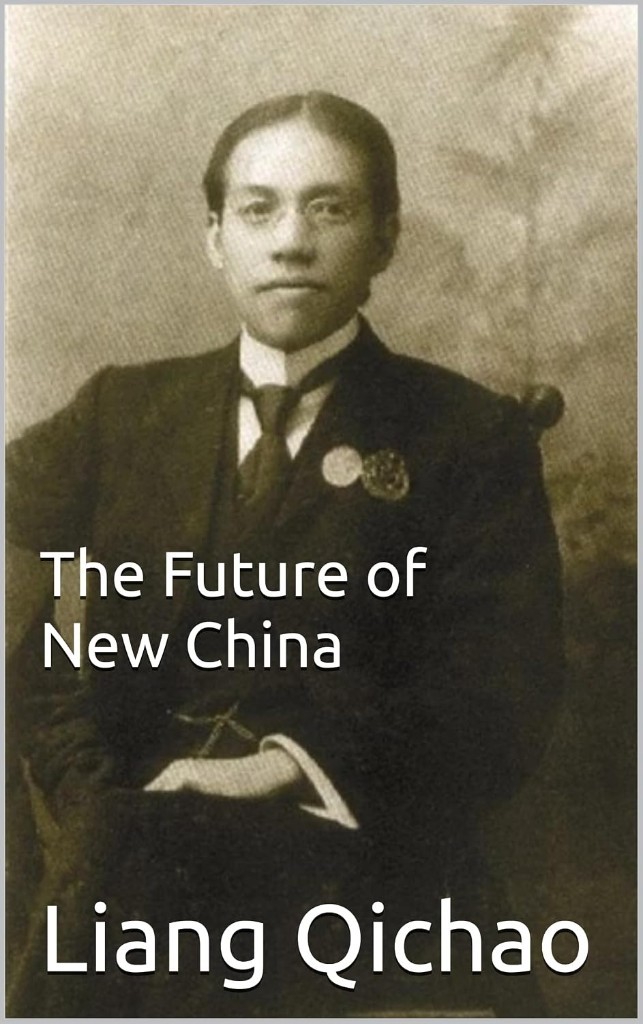
In 1902, with the Qing dynasty in crisis and China's political future radically uncertain, the reformer, journalist, and intellectual Liang Qichao turned to fiction to ask an extraordinary question: What might China look like sixty years in the future?
The Future of New China (Xin Zhongguo weilai ji) opens in a transformed China: prosperous, powerful, constitutionally governed, and at the center of world affairs. From this imagined future, Liang looks backward toward his own troubled present, tracing the political struggles and intellectual debates through which such a transformation might be achieved. His characters confront questions that would define the coming century of Chinese history: reform or revolution, centralized power or popular government, national strength, political participation, education, citizenship, and China's relationship with the wider world.
The result is an unusual hybrid of political novel, utopian fiction, future history, and political argument. Written at the birth of modern Chinese fiction, it captures one of modern China's most influential thinkers attempting not merely to predict the future, but to make that future imaginable.
Liang never completed the work, leaving it after five chapters. Yet its unfinished state has only heightened its historical interest: the surviving text preserves a remarkable vision of national transformation conceived years before the fall of the Qing dynasty and decades before many of the political questions Liang raised would be settled—or violently reopened.
This Gradient Books edition presents, to the publisher's knowledge, the first full English translation of the complete surviving text of The Future of New China. A new introduction places Liang, the novel, and its political and literary ideas in historical context, while an afterword examines the work's unfinished character and helps explain its abrupt ending.
Essential reading for anyone interested in modern China, Liang Qichao, late Qing reform, Chinese political thought, utopian literature, or the origins of modern Chinese fiction.